Asignación manual vs. con IA: Por qué la inteligencia artificial está transformando la revisión por pares

Paige Watson
Published on 26 de febrero de 2026Assigning the right reviewer to a paper is one of the most critical steps in the peer review process. Yet, many conferences and journals still rely on manual reviewer assignment—a method that is slow, inconsistent, and prone to errors.
In 2026, AI-powered reviewer recommendation systems are transforming how papers are matched with experts. By replacing guesswork with data-driven decisions, AI is making peer review faster, fairer, and more scalable.

The Problem with Manual Reviewer Assignment
Manual reviewer assignment depends heavily on organizers’ knowledge and availability, which often leads to inefficiencies.
- Limited knowledge of reviewer expertise
- Time-consuming selection process
- High risk of reviewer-paper mismatch
- Difficulty managing large submission volumes
As submission numbers grow, manual processes become harder to manage and more prone to mistakes.
Disadvantages of Manual Reviewer Assignment
Manual assignment introduces several challenges that directly impact review quality and efficiency.
- Slower review cycles due to manual coordination
- Uneven workload distribution among reviewers
- Increased risk of bias or conflict of interest
- Lack of transparency in assignment decisions
These issues often lead to delays, inconsistent reviews, and dissatisfaction among authors and reviewers.
What Is AI Reviewer Recommendation?
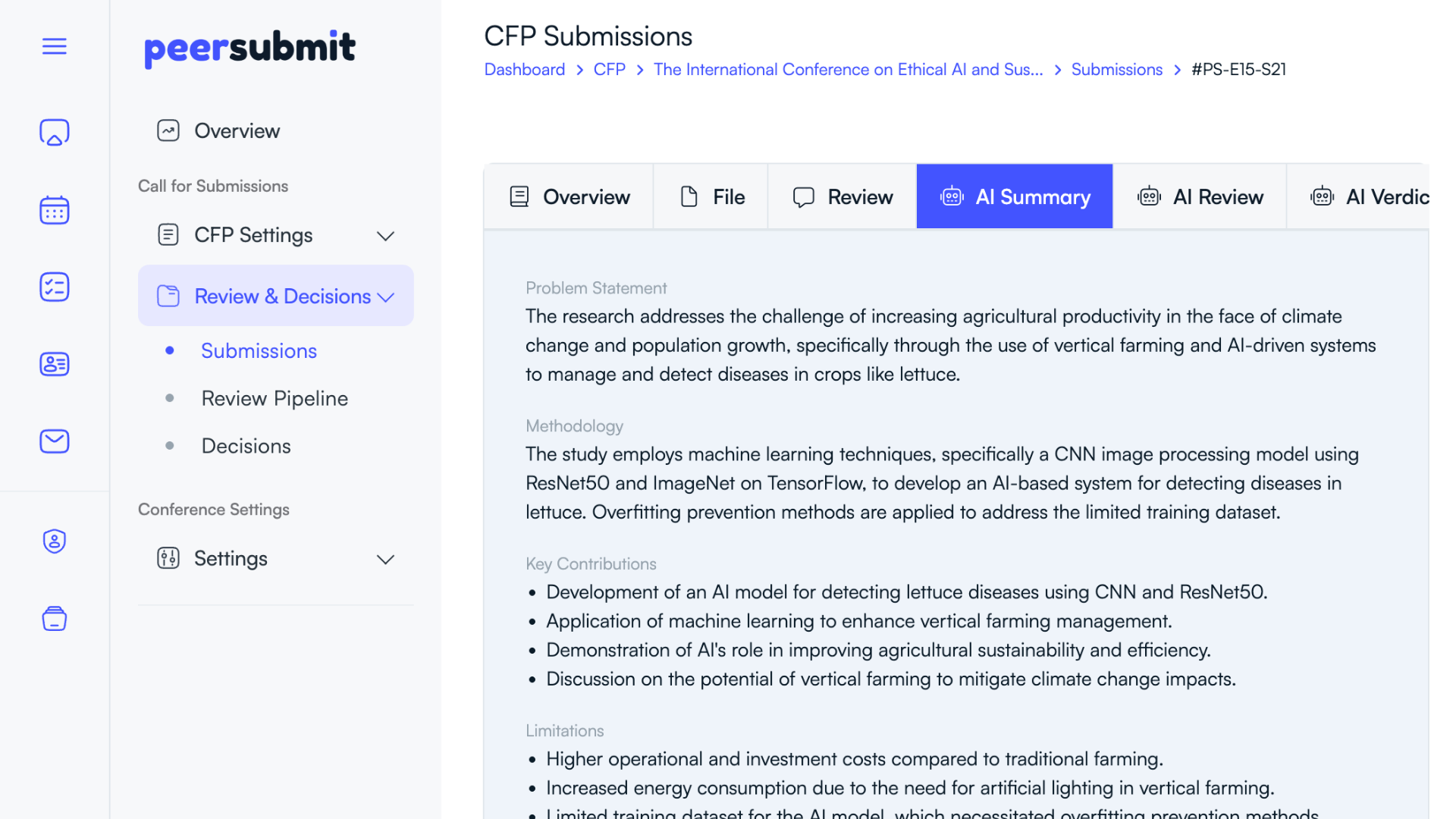
AI reviewer recommendation systems use algorithms to match papers with the most relevant reviewers based on data and expertise.
- Analyzes keywords and subject areas
- Evaluates reviewer publication history
- Detects conflicts of interest
- Balances reviewer workload automatically
This creates a more structured and objective approach to reviewer assignment.
Advantages of AI-Based Reviewer Assignment
AI-driven systems solve many of the limitations of manual assignment and improve the overall peer review process.
- Faster reviewer matching and reduced delays
- More accurate expertise-based assignments
- Fair workload distribution across reviewers
- Improved transparency and consistency
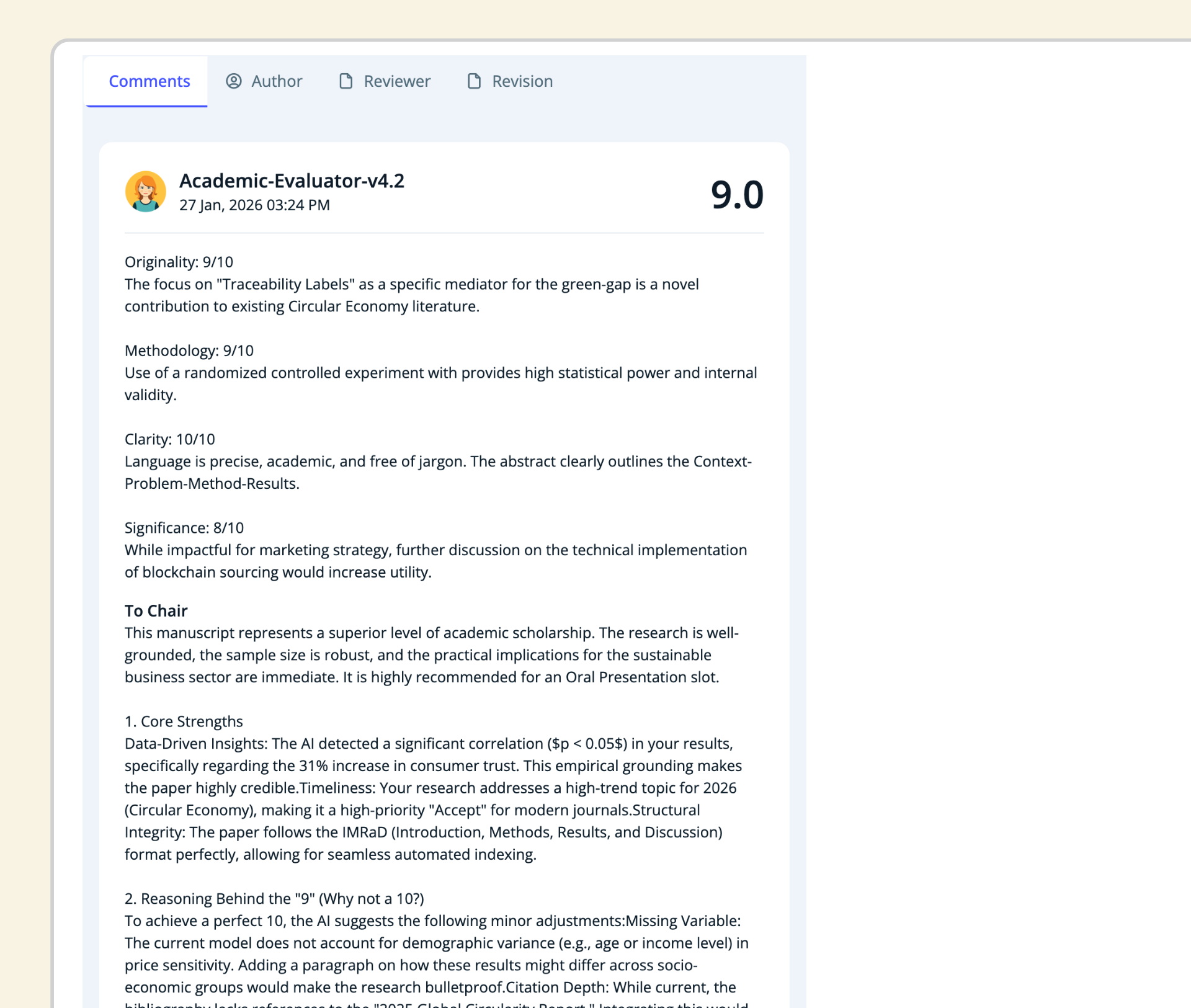
These benefits lead to higher-quality reviews and a better experience for all stakeholders.
Manual vs AI Reviewer Assignment: Key Differences
- Manual: Time-consuming vs AI: Instant matching
- Manual: Subjective decisions vs AI: Data-driven recommendations
- Manual: Limited scalability vs AI: Handles large volumes easily
- Manual: Higher risk of bias vs AI: More consistent and fair
The difference is clear—AI brings speed, accuracy, and scalability that manual systems cannot match.
The Role of Platforms Like PeerSubmit
Platforms like PeerSubmit integrate AI reviewer recommendation into the peer review workflow, making assignment faster and more reliable.
By combining automation with intelligent matching, these platforms help organizers eliminate manual errors and improve the overall quality of academic evaluations.
Final Thoughts
Manual reviewer assignment is no longer sustainable for modern academic conferences and journals. As submission volumes increase, the need for efficient and fair systems becomes critical.
AI-powered reviewer recommendation is not just an upgrade—it is a necessary step toward building scalable, transparent, and high-quality peer review systems.
Comience a Gestionar su Conferencia: Desde el Envío hasta la Decisión
Únase a cientos de organizadores que confían en PeerSubmit para gestionar sus eventos académicos con eficiencia impulsada por IA y flujos de trabajo fluidos.
Sin tarjeta de crédito • Configuración en minutos
Asignación de Revisores FAQs
Organice su Conferencia Sin Caos
Gestione envíos, revisión por pares, registros y flujos de trabajo—todo en una sola plataforma diseñada para eventos académicos.
Únase a cientos de conferencias académicas que ya utilizan PeerSubmitSin tarjeta de crédito • Configuración en minutos