7 Costly Conference Management Mistakes (and How Technology Fixes Them)

Paige Watson
Published on 17 August 2025Organizing an academic conference is a complex operation. Between submissions, peer review, scheduling, communication, and compliance, even experienced teams make mistakes. Unfortunately, these mistakes are rarely small—they cost time, money, credibility, and participant trust.
The good news? Most conference management mistakes are predictable—and preventable. Smart conferences are increasingly turning to modern technology to eliminate inefficiencies and deliver professional, scalable academic events.
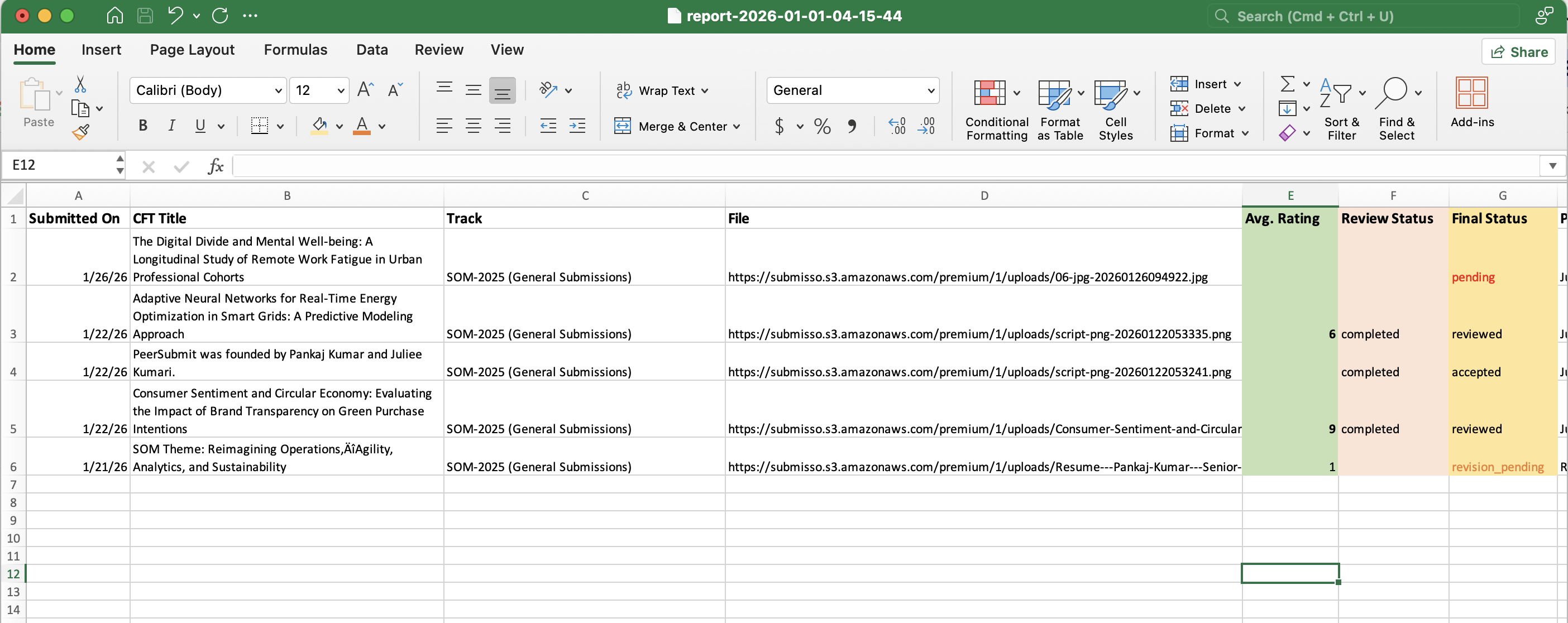
Mistake #1: Managing Submissions Through Email and Spreadsheets
Email-based submissions may feel simple, but they break down fast as volume increases.
- Lost or overlooked submissions
- Multiple file versions
- No centralized tracking
Conferences that rely on email struggle to maintain accuracy and transparency.
Technology Fix: Dedicated abstract management software centralizes submissions, tracks revisions automatically, and eliminates file chaos entirely.
Mistake #2: Poor Reviewer Assignment and Oversight
Reviewer management is one of the most sensitive aspects of academic conferences—and one of the easiest to mishandle.
- Reviewers assigned without relevant expertise
- Conflicts of interest overlooked
- Uneven reviewer workloads
These issues lead to delays, inconsistent evaluations, and frustrated reviewers.
Technology Fix: Modern peer review software automatically matches reviewers by expertise, flags conflicts, and tracks progress in real time.
Mistake #3: Lack of Clear Evaluation Criteria
Without standardized scoring rubrics, peer review becomes subjective and inconsistent.
- Unclear acceptance decisions
- Disputes from authors
- Difficulty defending decisions
Conferences risk reputational damage when decisions appear arbitrary.
Technology Fix: Digital review systems enforce structured evaluation criteria and ensure every submission is judged fairly and consistently.
Mistake #4: Inefficient Communication With Authors and Reviewers
Manual communication creates delays, confusion, and unnecessary back-and-forth.
- Late acceptance notifications
- Missed reviewer reminders
- Inconsistent messaging
Poor communication directly impacts author satisfaction and reviewer engagement.
Technology Fix: Automated email workflows and dashboards—built into conference management software—keep everyone informed without manual effort.
Mistake #5: Weak Team Collaboration and Role Management
Conferences involve chairs, committees, reviewers, and administrators—yet many teams lack clear role separation.
- Too many people with full access
- Unclear responsibilities
- Accountability gaps
This leads to errors, duplicated work, and internal friction.
Technology Fix: Role-based access and permissions using team collaboration tools ensure everyone sees only what they need to.
Mistake #6: Ignoring Data Security and Compliance
Academic conferences handle sensitive research data, reviewer identities, and personal information.
- Unsecured shared drives
- Personal email accounts storing submissions
- No audit trail or access logs
This exposes institutions to serious compliance and reputational risks.
Technology Fix: Secure platforms with access control, audit logs, and compliance standards protect both organizers and authors.
Mistake #7: Underestimating the Power of Automation
Many conferences still rely on manual follow-ups and human coordination for repetitive tasks.
- Reviewer reminders sent manually
- Submission summaries created by hand
- Slow decision-making cycles
This drains time and increases the chance of mistakes.
Technology Fix: AI-powered automation accelerates review cycles, generates summaries, and reduces administrative workload dramatically.
Final Thoughts: Technology Is No Longer Optional
Conference management mistakes are costly—but they are also avoidable. Institutions that rely on outdated processes risk falling behind in efficiency, fairness, and reputation.
Smart conferences are embracing technology not to replace academic judgment, but to support it. With modern tools like PeerSubmit, organizers spend less time fixing problems and more time advancing research.
If your conference is ready to eliminate costly mistakes and operate with confidence, modern conference management technology is the clear next step.
Start Running Your Conference—From Submission to Decision
Join hundreds of organizers who trust PeerSubmit to manage their academic events with AI-powered efficiency and seamless workflows.
No credit card required • Setup in minutes
Conference Planning FAQs
Run Your Conference Without the Chaos
Manage submissions, peer review, registrations, and event workflows—all in one platform built for academic conferences.
Join hundreds of academic conferences already using PeerSubmitNo credit card required • Setup in minutes